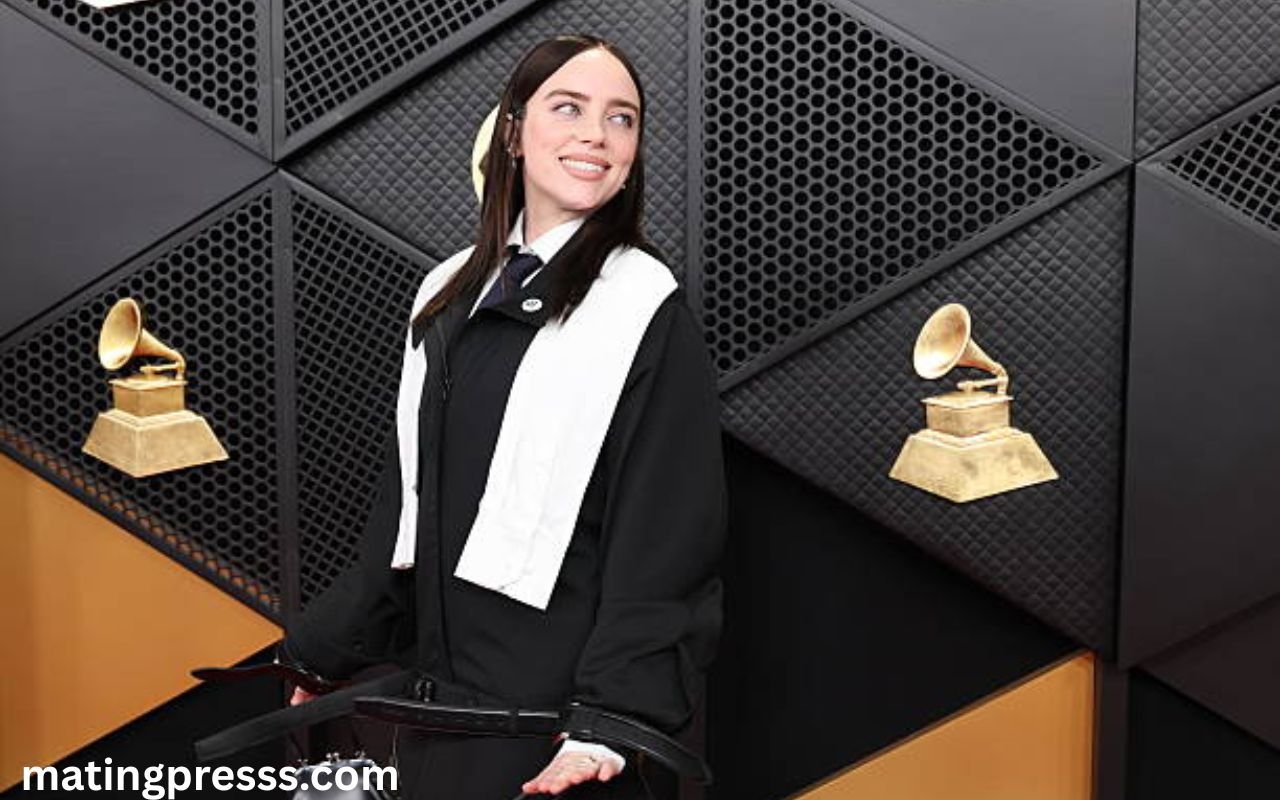
The search term “Billie Eilish naked” has attracted attention across search engines and social media, reflecting public curiosity about the Grammy-winning singer’s appearance, fashion choices, and personal boundaries. However, the subject is more complicated than sensational headlines suggest. Some online discussions refer to digitally altered images, while others involve unverified claims or AI-generated content. Understanding the facts requires distinguishing authentic photographs from manipulated material and respecting the difference between a celebrity’s public image and private life. Billie Eilish’s experience with an unauthorized magazine cover in 2019 also raised important questions about consent, body image, and the responsibilities of media organizations when portraying public figures.
Quick Bio Table: Billie Eilish
| Detail | Information |
|---|---|
| Full Name | Billie Eilish Pirate Baird O’Connell |
| Date of Birth | December 18, 2001 |
| Age | 24 years old as of October 2026 |
| Birthplace | Los Angeles, California, United States |
| Nationality | American |
| Profession | Singer and songwriter |
| Music Genres | Pop, alternative pop, and electropop |
| Breakthrough Song | Ocean Eyes |
| Popular Songs | Bad Guy, Happier Than Ever, Birds of a Feather |
| Brother and Collaborator | Finneas O’Connell |
| Known For | Distinctive music, fashion, and artistic identity |
| Major Recognition | Grammy Awards and Academy Awards |
Why Is “Billie Eilish Naked” a Popular Search?
Celebrity-related searches often reflect curiosity, viral discussions, and the way online platforms recommend trending subjects. Billie Eilish has an especially recognizable public image, making her fashion choices and appearance frequent topics of discussion.
The search phrase can refer to several different things. Some people may be looking for information about an old image controversy, while others encounter sensational headlines suggesting that private photographs have been leaked. In other cases, users may come across digitally manipulated images or AI-generated material presented as genuine.
These categories should not be confused. A digitally created image is not evidence that a real photograph exists, and a viral headline does not automatically establish that its claims are accurate.
There is a significant difference between a photograph released with a person’s permission, an artistic image created with consent, and a manipulated depiction published without authorization. Responsible reporting should explain these distinctions instead of treating every image-related rumor as a confirmed event.
For readers, the most useful approach is to examine the source, check whether reputable publications have verified the story, and avoid sharing intimate material whose authenticity or consent is unclear.
The 2019 Nylon Germany Image Controversy
One of the most widely documented incidents associated with searches about Billie Eilish’s appearance occurred in August 2019.
At the time, Eilish was 17 years old and rapidly gaining international recognition following the success of her music, including “Bad Guy.” Nylon Germany published a digitally created cover image depicting her as a bald, apparently topless futuristic figure. The image was presented as part of a feature about digital talent.
Eilish publicly criticized the publication on social media. She explained that neither she nor her team had been consulted about the artwork and that she had no creative input into its creation. She also objected to being depicted in a shirtless form while still a minor.
The magazine responded that its intention had been to celebrate her influence through a futuristic digital avatar. However, the controversy centered on a fundamental issue: the image had been created and published without her approval.
Following the backlash, the publication removed the image. The incident received coverage from major entertainment and news organizations, including the Los Angeles Times, The Guardian, and Sky News.
This episode is important because it illustrates that an image appearing to show a celebrity in a revealing situation may not be a real photograph at all. In this case, the image was digitally created, and Eilish explicitly objected to its publication.
The incident also demonstrated that celebrity status does not eliminate a person’s right to express concerns about how their likeness is used. <Cite refs={[“turn418202search1″,”turn418202search0″,”turn418202search2”]}/>
Billie Eilish and Body Image
Billie Eilish has frequently spoken about the pressure placed on women in the entertainment industry to meet particular expectations about appearance. Earlier in her career, she became known for wearing oversized clothing, which helped establish a distinctive style and reduced the emphasis on her body in public discussions.
Her clothing choices became part of a broader conversation about body autonomy and the expectations placed on young female performers.
Eilish’s experience also highlighted how quickly public attention can shift from music to appearance. Artists may release successful albums, perform internationally, and receive major awards, yet online discussions can focus disproportionately on their bodies.
As her career developed, Eilish experimented with different fashion styles and public appearances. These choices demonstrated that personal style can evolve without requiring an artist to satisfy outside expectations.
The broader lesson is that clothing does not indicate consent to sexual commentary or unauthorized image manipulation. Someone’s decision to wear a particular outfit should not be interpreted as permission for others to create or circulate intimate depictions of them.
Eilish’s public experiences have helped make these issues part of wider discussions about celebrity culture, gender, and personal boundaries.
Are the Online Nude-Image Claims About Billie Eilish Verified?
A large number of websites use sensational celebrity keywords to attract search traffic. Some publish headlines suggesting that intimate photographs have surfaced, while others use suggestive thumbnails or vague language that implies more than the article actually establishes.
Such claims require careful examination.
The documented 2019 Nylon Germany incident involved a digitally altered image, not a verified private photograph. It is therefore misleading to use that event as proof of unrelated claims about leaked intimate photographs.
The existence of a search result, social media post, or image-sharing page is not sufficient evidence that an image is authentic. Photographs can be edited, taken out of context, generated by AI, or falsely attributed to well-known people.
A trustworthy article should avoid presenting unverified claims as facts. If a reliable source cannot establish the origin and authenticity of an image, the appropriate conclusion is that the claim remains unverified.
It is also important not to assume that an image was authorized simply because it appears on a widely visited website. Publication and consent are separate questions.
Readers searching for information about this topic should prioritize established reporting that explains what happened, identifies the source of the material, and distinguishes confirmed facts from speculation.
AI-Generated Images and Celebrity Deepfakes
Advances in artificial intelligence have made it easier to create realistic-looking images that depict people in situations that never occurred. These images can be generated or altered using photographs of public figures that are already available online.
The technology has created serious concerns about nonconsensual intimate imagery, harassment, and misinformation.
A fabricated image may imitate a person’s facial features, hairstyle, skin tone, or body shape closely enough to appear convincing at first glance. Once shared widely, it can become difficult for ordinary users to identify its origin.
Billie Eilish’s public profile makes her a recognizable subject for online content, but recognition does not establish authenticity. An image that resembles her should not automatically be treated as a genuine photograph.
The problem extends beyond celebrities. AI-generated intimate images have increasingly affected ordinary people, including teenagers, who may lack the resources or public support available to prominent figures.
In July 2026, The Verge reported that Meta had disabled an Instagram feature that allowed users to generate AI images by tagging public accounts, following concerns about privacy and misuse. The episode illustrated the challenges platforms face when balancing creative technology with protections for people’s likenesses. <Cite refs={[“turn418202news30″,”turn418202news47”]}/>
How to Recognize Misleading Celebrity Images
Readers can take several practical steps before believing or sharing a photograph.
First, check the original source. An image published by a reputable news organization with a clear explanation is generally easier to evaluate than an anonymous social media post.
Second, look for independent confirmation. If a headline claims that a major celebrity photograph has been released, check whether established publications have reported the same event and whether their accounts agree on the details.
Third, examine the context. Old photographs may be reposted with new captions, while edited images can be presented as recent events. A genuine photograph can also be misleading when it is paired with an inaccurate description.
Fourth, remain cautious about claims that rely entirely on sensational language. Headlines promising shocking revelations may be designed to generate clicks rather than provide reliable information.
Finally, avoid redistributing suspected intimate deepfakes. Sharing such material can increase harm to the person depicted, even when the person sharing it did not create the image.
These precautions are useful for celebrity news generally, not just for searches involving Billie Eilish.
Privacy, Consent, and Responsible Celebrity Reporting
Public figures have professional lives that naturally attract attention. Their music, performances, fashion choices, and public statements are legitimate subjects for entertainment journalism.
However, public visibility does not mean that every aspect of a person’s private life becomes available for unrestricted use.
Consent matters when photographs are taken, altered, published, or distributed. It is especially important when images imply nudity or sexual situations that the person did not agree to portray.
Responsible reporting should describe documented controversies accurately, avoid unnecessary exposure of intimate material, and distinguish verified facts from speculation.
The 2019 Nylon Germany incident is a useful example because the central issue was not simply the appearance of the artwork. It was the publication of an altered depiction of a 17-year-old without her knowledge or creative approval.
Media outlets and social platforms also have responsibilities. They can help reduce harm by removing unauthorized intimate imagery, addressing impersonation, and providing accessible reporting mechanisms for manipulated content.
Readers contribute to the same effort by checking sources, refusing to spread misleading material, and considering the potential consequences of sharing private or fabricated images.
Frequently Asked Questions
Did Billie Eilish appear in a nude magazine photograph?
A documented 2019 controversy involved a digitally created Nylon Germany cover that depicted Eilish as bald and apparently topless. She objected to the image because it had been published without her consent. It was not a genuine photograph showing her in that situation.
Why do people search for Billie Eilish naked images?
Search interest can come from celebrity curiosity, old news coverage, misleading headlines, and digitally manipulated images. Search popularity does not prove that a claimed photograph is authentic.
Has AI affected celebrity image privacy?
Yes. AI tools can produce realistic fabricated images of public figures and private individuals. This has raised concerns about consent, harassment, misinformation, and the distribution of nonconsensual intimate imagery.
How can readers avoid fake celebrity photographs?
Check the original source, seek independent confirmation from established publications, examine the date and context, and avoid sharing material whose authenticity or consent is uncertain.
Conclusion
Read More: Sabrina Carpenter Boyfriend: Dating History, Current Relationship Status, and Latest Rumors in 2026
The search term “Billie Eilish naked” highlights a wider issue in modern celebrity culture: the tension between public curiosity and an individual’s right to control their own image. The best-documented controversy is the 2019 Nylon Germany incident, when a digitally altered cover depicted Eilish in a shirtless form without her approval while she was 17. The episode helped draw attention to consent, body image, and responsible media practices. As AI-generated imagery becomes more convincing, readers should be especially careful about sensational claims and unverified photographs. At matingpresss, our goal is to provide informative celebrity coverage that prioritizes verified facts, respects privacy, and helps readers distinguish genuine reporting from online rumors.

One thought on “Billie Eilish Naked Rumors: The Truth About Image Controversies, Privacy, and Online Searches”